
Unit Plan Asian Americans as Activists and Accomplices
- Grade Level K-5th Grade
- Time Period 1950 - 2009
Introduction
For Asian Americans living, working, and growing up in the margins in the United States during the 1960s and 70s, participating in social activism played an important role in advancing justice for them as citizens of the United States. Asian Americans worked in partnership with other ethnic and racial groups to overcome unfair treatment. Through the examples of the United Farm Workers Movement and the student strike at San Francisco State College, and at the Peace Rally after the L.A. Civil Unrest, students will learn how Asian Americans spoke out against injustice and stood up for the better treatment of all Americans.
Objectives
Students will be able to:
- Identify ways in which Asian Americans were/are being treated unjustly during this time period (1960s to present)
- Explain how Asian Americans used activism to overcome unfair treatment during this time period (1960s - present)
- Identify the goals of social activism and explain the difference between being a bystander, an ally, and an accomplice.
- Describe how Asian Americans built coalitions with different groups of people and the outcomes of such coalitions.
Essential Questions
What were the demonstrations of activism (i.e. strikes, protests, rallies, etc.) featured in Episodes 4 and 5? For each demonstration, consider the following: What might a bystander do? What would an ally do? What action would an accomplice take? What would you do?
Why was it important for the United Farm Workers to be “united”? In what ways were they united? In what ways were they not united?
What was the significance of the San Francisco State College Student Strike? Why are ethnic or cultural studies programs important? How do all people benefit from such programs?
What can we learn from the L.A. Civil Unrest? How did people from different racial communities come together? Why is it important to heal after a major conflict?
Related Resources
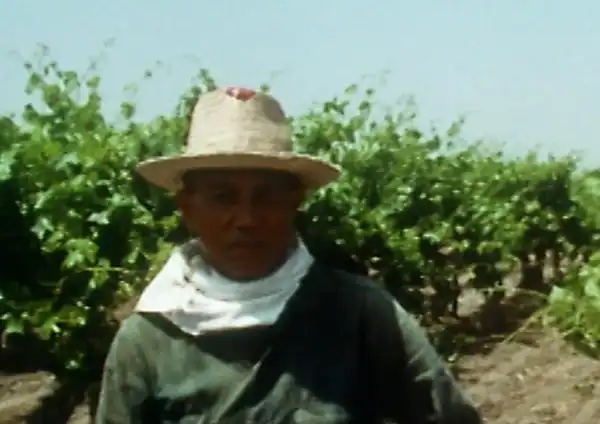
Lesson Plan, Video, Activity : Larry Itliong: Unity of Filipino and Mexican Farmworkers
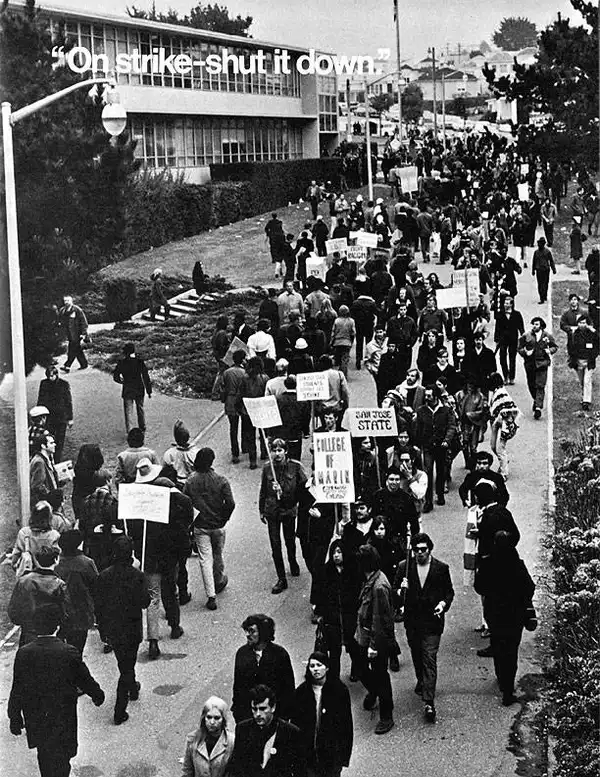
Video, Article : 1965 Third World Liberation Front Strike
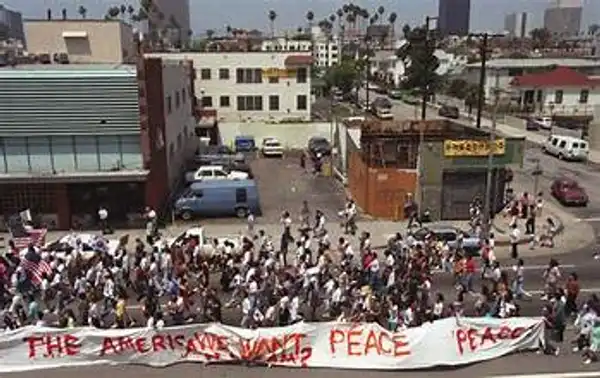
Lesson Plan, Video, Article, Activity : The 1992 L.A. Civil Unrest


Click a resource to open.