
Lesson Plan, Video, Activity Larry Itliong: Unity of Filipino and Mexican Farmworkers
- Grade Level 6th-12th Grade
- Time Period 1950 - 1989
Introduction
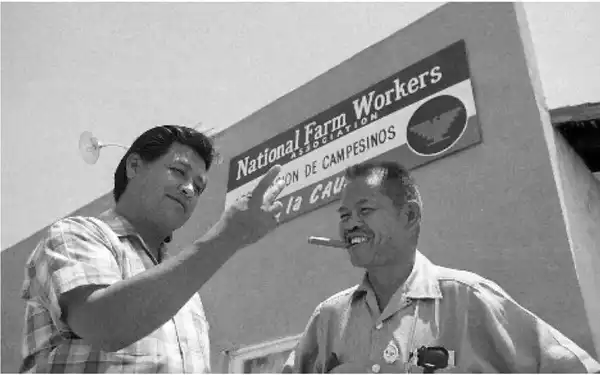
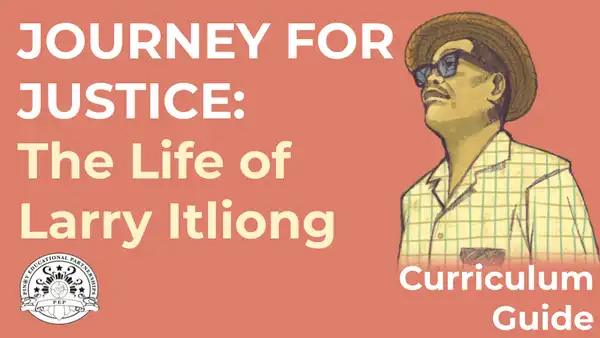
This lesson explores the experiences and contributions of Filipino American farmworkers in the fields of California’s Central Valley during the mid-1960s. Migrant farmworkers, who worked long hours for low wages and were not protected by labor laws, organized for better living and working conditions. Larry Itliong, a Filipino labor organizer and co-founder of the Agricultural Workers Organizing Committee (AWOC), advocated for workers’ rights and called for solidarity with Mexican American migrant farmworkers, leading to the formation of the United Farmworkers Union (UFW). Together, Filipino and Mexican Americans engaged in a five-year-long workers’ strike and boycott against the California grape industry.
Learning Objectives:
Students will be able to:
- Understand the role of intergenerational relationships for Filipino American farmworkers.
- Describe the living and working conditions of migrant farmworkers in California’s Central Valley.
- Note the benefits of solidarity between Filipino and Mexican farmworkers.
- Investigate the root causes and factors that led to boycotts and workers’ strikes.
- Learn how Asian Americans initiated and were essential to labor movements that have improved the quality of life for all Americans in the workplace.
Essential Questions
Who were the manongs and what conditions in the United States contributed to the challenges of this community?
Who initiated the Delano Grape Strike in 1965 and who inspired and led them to do this?
What were the main reasons why farmworkers mobilized strikes against farm growers in central California during the mid-1960s?
What was the United Farm Workers and why was it so important? How did this improve conditions for farmworkers?
Why do you think Filipino leadership and participation in farmworker activism is often overlooked? Why is it important to recognize all diverse voices and participants in an event such as the farmworkers’ movement?
Related Resources
Lesson Plan, Video, Activity : Labor Day and Larry Itliong
Lesson Plan, Teaching Guide, Unit Plan, Video : Farm Workers Rights: Larry Itliong and Philip Vera Cruz


Click a resource to open.